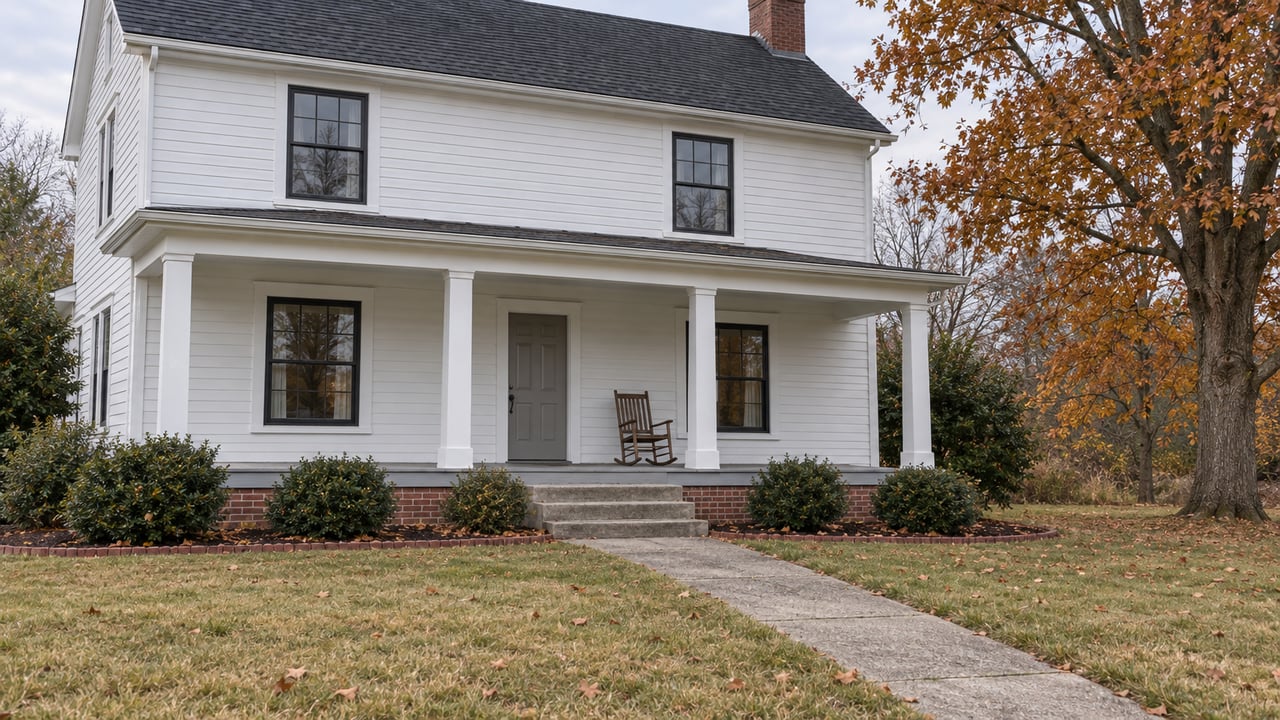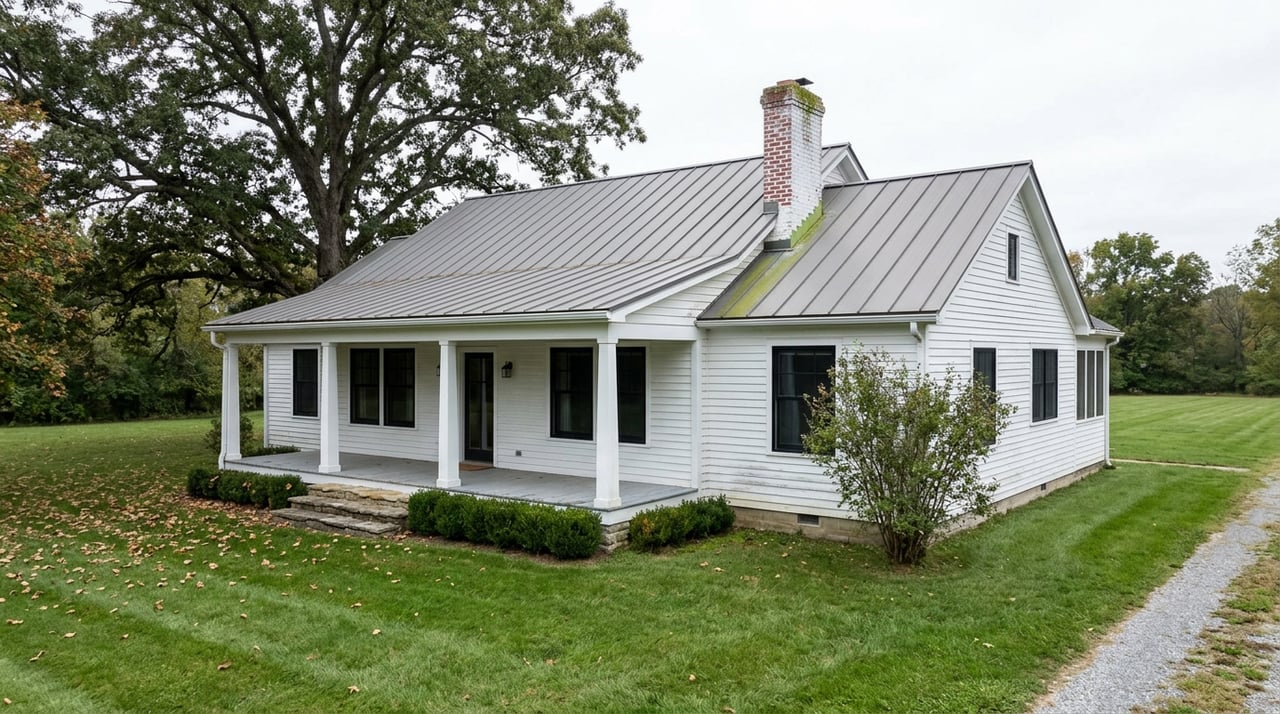
Two listings go up in Kouts the same week. Both say "Kouts, IN." Both show a covered porch, a couple acres of yard, maybe a pole barn out back. A buyer scrolling through comps has no reason to think they're looking at two different transactions.
But one of those houses sits close enough to the crossroads at Highway 8 and Highway 49 that it ties into the Town of Kouts water and sewer system, tap fees and all. The other sits a half mile or a mile out, past the last stretch of sidewalk, where the house runs on a private well and a septic tank buried somewhere in the yard. Same town. Same school district. Completely different closing.
That split is the thing worth understanding before you write an offer or price a listing here, because it changes what gets inspected, what gets disclosed, what a lender can hold up, and what you're actually negotiating over.
Where the Line Actually Falls
Kouts' municipal core is small and specific. It clusters around the crossroads, near businesses like Family Express, Moser Tire, Subway, Save-a-Lot, and the local branches of 1st Source and Chase. Commercial parcels there get marketed with a line real estate agents in town know to include: subject to tap fees with the Town of Kouts. That phrase is doing real work. It means the property connects to a public system, and the buyer's job is to budget for the fee, not investigate a hole in the ground.
Move outward from that crossroads, even a short distance, and the language in the listings changes completely. A recent build outside the core was marketed as sitting on roughly one acre with a home "built in 2022 and outfitted with a new well and septic system." A wooded homesite nearby was offered with soil samples already on file and approval in hand for a standard gravity septic system, because the seller had already done the legwork a buyer would otherwise face. Even the showcase properties follow the pattern. A 42-acre estate with more than 1,000 feet of Kankakee River frontage is a private well and septic situation almost by definition. Riverfront acreage in Kouts was never going to be on a town main.
Local plumbing crews describe this same split in plain terms: homes in Kouts typically have sewer lines running either toward the municipal system or toward an individual septic tank, depending on where the house sits. That's not a quirk. It's the baseline fact of buying or selling here, and it means the address on a listing tells you almost nothing about which system you're dealing with. You have to ask.
What Indiana Actually Requires the Seller to Say
Once you know a property is on well and septic, the next question is what the seller owes you in writing. Indiana law requires sellers to disclose known problems with a septic or well system on the state's Residential Real Estate Sales Disclosure form. That includes things like a history of backups, a persistently soggy patch over the drain field, slow drains, or a well that runs low during dry months. Those are all "known conditions," and they belong on the form regardless of how the seller feels about the house.
The detail that trips people up is the assumption that listing a home "as is" gets a seller out of that obligation. It doesn't. Selling as-is affects repair negotiations, not disclosure. A seller who knows the well ran dry last August still has to say so.
The Loan Trigger Nobody Explains Upfront
Here's the part that surprises most buyers financing a well and septic property in Kouts: no loan type automatically requires a septic inspection. Not FHA, not VA, not a conventional mortgage. The trigger is the appraiser. If the appraiser walks the property and notices something like standing water over the drain field, an odor, or visibly soggy ground, that observation is what forces the lender's hand and requires the system to be checked and any problem corrected before the loan funds.
Absent that red flag, the inspection becomes the buyer's call, and most buyers who are paying attention make that call anyway. The standard move during the inspection period is a dye test, where an inspector introduces dye into the system and watches whether it surfaces in the yard. It's a quick, visual way to catch a drain field that isn't handling wastewater the way it should, and it's usually the first real look anyone gets at what's happening underground.
For a home on a private well, the same logic extends to water. An appraiser or lender may call for a water test if there's any indication of a problem, but a buyer who wants peace of mind about what's coming out of the tap generally has to request that testing directly.
If the System Needs Work, Here's the County's Clock
When an inspection turns up a problem, the path forward in Kouts runs through the Porter County Health Department's Environmental Division, and the timeline is worth knowing before you're under contract with a deadline looming.
A repair starts with a soil test, which means hiring a private, certified soil scientist. Once that's done, the county's environmental health inspector visits the site and issues a Repair Permit Field Investigation Report, typically within two to four days. That report spells out the septic system specifications and any site-specific considerations, and it's the document most septic contractors ask for before they'll put together a bid. From there, the customer applies for the actual Well and Septic Permit in person at the Health Department, and the county reviews the site plan within three to five days. If something doesn't pass, it goes back for revisions.
The permit itself, once issued, is valid for two years. That window matters for anyone timing a sale around a repair, because it means the fix doesn't have to happen the week before closing, but it does have to happen inside a defined stretch of time, not indefinitely.
What It Actually Costs
Numbers help here, because "get it inspected" means something different depending on the dollar figure attached.
A combined well and septic inspection commonly runs in the $400 to $650 range, with well-only inspections landing lower and septic-only inspections falling somewhere in the middle. That's a reasonable line item to build into a purchase agreement or a pre-listing budget, and it's a small price relative to what it protects against.
The bigger number is what happens if the system actually fails. A full septic system replacement can run well past $20,000, which is exactly why an inspection finding on an older Kouts property becomes a real negotiating point, not a formality. A clean dye test and a clean water sample turn into leverage for a strong offer. A finding that points toward drain field failure turns into a conversation about repair credits, price adjustments, or who handles the permit process before closing.
A Few Quick Questions
Does selling a Kouts home "as is" remove the disclosure requirement? No. Indiana still requires the seller to disclose known septic or well problems on the state disclosure form, regardless of how the property is marketed.
Will my lender automatically require a septic inspection? Not unless the appraiser notices a visible problem during the appraisal, like standing water or an odor. Otherwise, the inspection is the buyer's choice, and most buyers request one anyway.
How long does a septic repair permit take in Porter County? The initial field investigation report typically comes back in two to four days after the soil test, and the county reviews the full site plan in another three to five days. The permit itself is valid for two years once issued.
If you're weighing a specific property in Kouts, whether it's a starter home near the crossroads or a few acres out toward the river, the well and septic question is one of the first things worth sorting out, not one of the last. It shapes your financing timeline, your negotiating position, and what you can reasonably expect at the closing table.
Anna Steuer has spent years walking Kouts properties on both sides of that line, from town-serviced lots to acreage with private systems, and can help you figure out which kind of transaction you're actually in before you write the offer. Schedule a consultation and let's talk through what your specific address means for your closing.