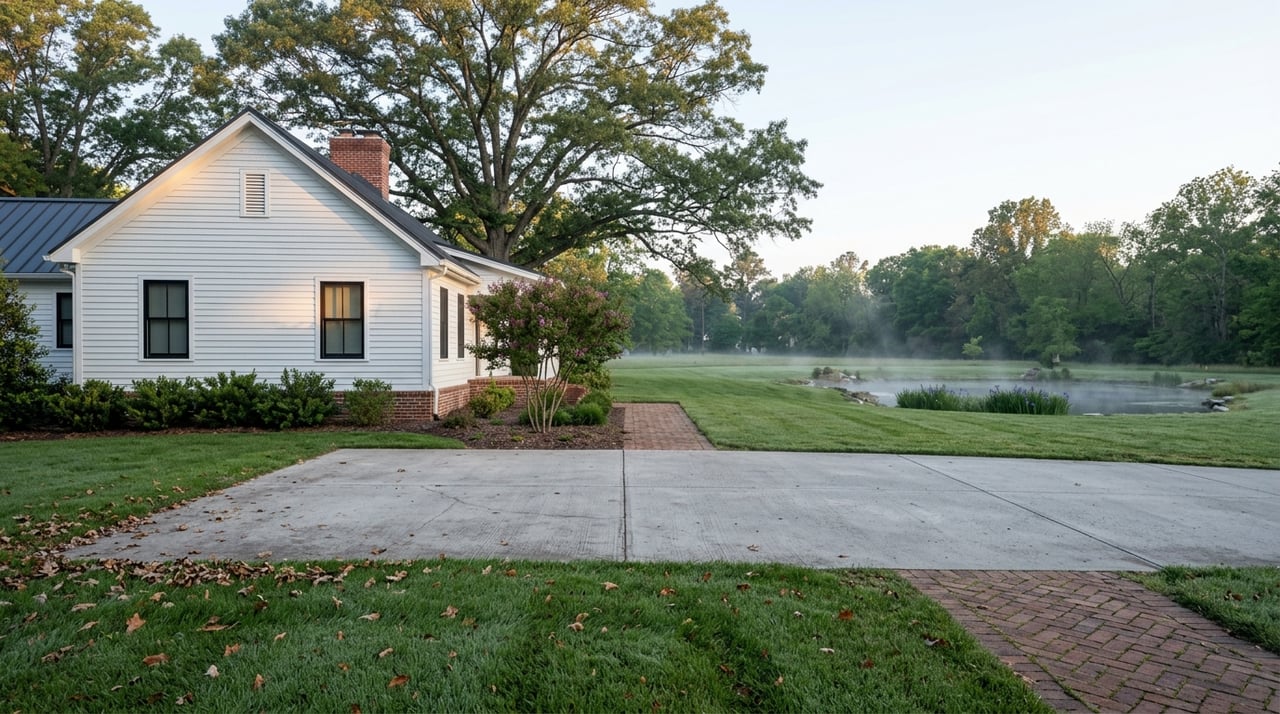
You've driven past it. Baum's Bridge Road curves along the Kankakee River just south of town, and if you've lived in Kouts more than a season, you've seen the hand-painted sign for Collier Lodge and told yourself you'd stop next time. Most people don't. It looks like a private hunting camp, half-hidden behind trees, and there's rarely a reason to slow down on a normal Tuesday.
Late August is not a normal Tuesday. For one weekend a year, that quiet stretch of riverbank turns into something closer to a working 18th and 19th century settlement, with campfires, muzzle-loading rifles, and a general store that sells the same kind of goods a fur trader would have carried in 1780. It's called the Aukiki River Festival, and if you've only ever heard of Porkfest, you're missing the older, stranger, and in some ways more consequential of Kouts' two big weekends.
Two Festivals, Two Completely Different Reasons to Exist
It's easy to lump every Kouts event into one mental folder labeled "small town festival season," but the Aukiki River Festival didn't come from the same place as Porkfest. Porkfest and the town's fall festival are both run by Kouts Festivals and Events, Inc., the volunteer group built around civic celebration and Main Street commerce. The Aukiki River Festival belongs to someone else entirely: the Kankakee Valley Historical Society, a nonprofit founded in 2001 whose mission has nothing to do with parades or pork burgers. Its job is preserving what's left of the Kankakee River's history, and the festival exists because one specific building needed saving.
According to the town's own history page, the festival is often held the same weekend as Porkfest, which is part of why the two get confused. But where Porkfest is civic pride on display, Aukiki is a fundraiser for a 19th century structure that would otherwise have been lost.
The Lodge Nobody Was Supposed to Save
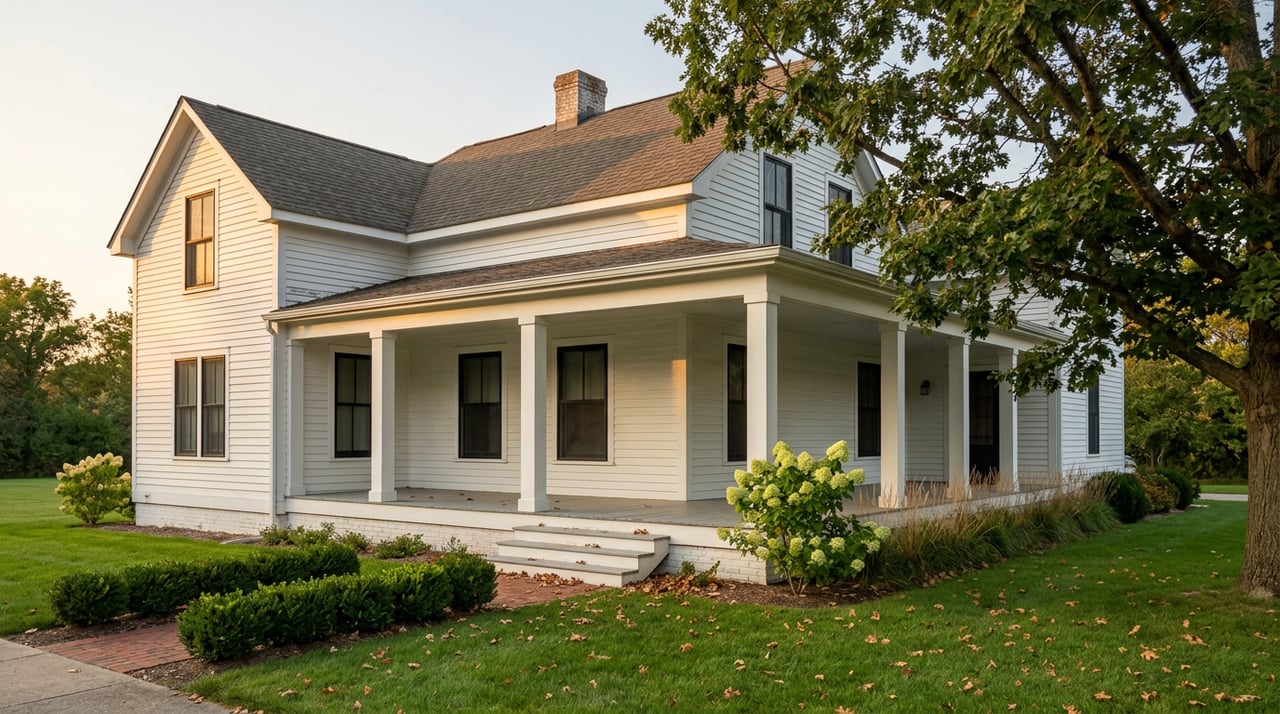
The building at the center of all this is Collier Lodge, and its story is the reason the festival has any weight beyond costumes and campfires. Historical society founder John Hodson bought the lodge property in 2000 after finding it in a state of disrepair, with no festival, no grant money, and no guarantee anyone else cared. The site had once been part of the river's "sportsmen era," roughly 1880 to 1910, when hunters and anglers from across the Midwest, including President Theodore Roosevelt, came to the Kankakee for its waterfowl and fish. Collier Lodge is the last structure still standing from that era. Everything else along that stretch of river from those decades is gone.
A decade after buying the property, Hodson and his wife started a small festival to help fund its restoration. He didn't expect much from it. As he put it years later, describing that first attempt:
"I never expected it to grow to this size and interest."
That undersells what happened. In its earliest years, the festival grew from about 300 visitors at its debut to nearly 2,500 by its fourth year, according to reporting on the event's history at the time. That's not a rounding error for a backyard fundraiser. That kind of jump, inside just a few summers, turned a private preservation project into one of the more attended weekends in southern Porter County.
Collier Lodge now holds status on the National Register of Historic Places, and festival proceeds, historically collected as a modest suggested donation with children 12 and under admitted free, go toward restoration work on the lodge itself and the adjacent Linden Cabin.
What You're Actually Walking Into
If you go expecting a craft fair with a historical theme, you'll be surprised by how far the organizers take it. The festival is structured as a timeline, not a single era, with encampments representing:
- French-Indian War soldiers and camp life
- Native American settlement and culture
- French Voyageur traders working the river routes
- Fur trapper and trader camps from the early frontier period
- Civil War era encampments
- British colonial presence along the same corridor
Walk the grounds and you'll pass Collier's General Store, a working recreation of the kind of trading post that once served river traffic, plus a Pioneer school and a stretch organizers call Traders' Row. The people staffing these encampments aren't hired actors reading from a script. Blacksmith Seth Nichols, of Lowell, forges and sells his own work on site. Daniel Vogt, who travels from Sheridan, Illinois, demonstrates traditional buckskin tanning, stripping and softening hides the way an 18th century tanner would have. The Fort Tassinong Muzzleloaders, a local group whose members include Gregory Johnston of Dyer, run black powder shooting demonstrations. A musical group called Trois Canards performs period songs across the grounds.
More recent additions have pushed the festival past pure reenactment. A native plant garden, tended by historical society members, grows the kind of vegetable staples an actual river-valley homestead would have depended on. A Wildlife Educational Exhibit of Northwest Indiana has joined in recent years to put river wildlife on display alongside the human history. The Izaak Walton League has run a Mobile Archery Clinic aimed at kids ages 5 to 14, giving younger visitors a hands-on activity that has nothing to do with standing around and looking at old things.
Why the Name Matters
Even the festival's name carries a piece of history most visitors miss. "Aukiki" is the Potawatomi word for the Kankakee River, used by the people who lived along its banks long before French traders or American settlers arrived. Choosing that name for the festival was a deliberate nod to the river's full history, not just the frontier-era slice that gets the most reenactment attention.
The river itself is the actual subject here, more than any single century of it. The Kankakee once ran through what locals and historians call the Grand Kankakee Marsh, a wetland so vast and rich with waterfowl that hunters traveled from across the country for it before drainage projects in the early 1900s reshaped the landscape into the farmland most of us know today. Collier Lodge sat at the edge of that transformation, which is part of why the building matters more than its modest size suggests.
If You've Never Been
The festival takes place at Collier Lodge, 1097 Baum's Bridge Road, typically over a Saturday and Sunday in late August. Admission has historically run as a small suggested donation, with kids 12 and under free, which means the barrier to just showing up for an afternoon is close to nothing. If you want to go deeper into local history before or after your visit, the Kouts Public Library keeps what's known locally as the "Indiana Room," a collection of town memorabilia, old photographs, and bound copies of the historic Kouts Times and Kouts Courier that fills in details the festival itself doesn't have room to cover in a weekend.
For exact dates and current-year details, the Kankakee Valley Historical Society posts festival information directly on its own site.
The Thing Worth Knowing
Kouts has plenty of reasons for pride wrapped up in Porkfest, and that festival deserves the attention it gets. But the town's other big weekend tells a different story about what a small community decides is worth protecting. Nobody made Hodson buy a falling-down lodge in 2000. Nobody required a historical society to throw a festival to fund its restoration instead of just letting the building go. The fact that it worked, that a quiet preservation project turned into one of the county's better-attended weekends, says something about how much history this town is quietly sitting on.
If you've lived here a while and never made the turn onto Baum's Bridge Road for it, put next August on the calendar and finally stop.
Anna Steuer works with buyers, sellers, and builders across Kouts and the surrounding Northwest Indiana communities, bringing the same attention to local detail to real estate that this town brings to preserving its own history. If you're curious what your home is worth or thinking about your next move here, schedule a consultation with Anna Steuer to get a clear, local read on the market.