When winter settles into Kouts, it does not show up halfway. Cold mornings, steady snowfall, and the occasional fast-moving lake-effect system can all shape how you live at home and move through your week. If you are thinking about buying, selling, or simply caring for a home here, it helps to understand both the practical side of winter and the everyday rhythm of the community. Let’s dive in.
What Winter Looks Like in Kouts
Winter in Kouts is a real season, not just a short cold stretch. Based on NOAA climate normals from nearby Valparaiso Water Works, average highs and lows are about 36.6°F and 23.7°F in December, 32.1°F and 17.6°F in January, and 36.4°F and 21.4°F in February.
Snow is also part of the picture. The same NOAA data shows annual snowfall around 40 inches, with about 29.5 inches typically falling from December through February. That means winter home prep in Kouts is not optional. It is simply part of owning and maintaining property in Northwest Indiana.
Kouts-area winters can also change quickly. A recent National Weather Service Chicago event summary showed that the January 30 to 31, 2026 storm dropped 10 to 11 inches in parts of Porter County, with nearby reports of 7.5 to 10 inches around Valparaiso and Porter. For homeowners, that is a reminder to stay ready for both normal snow and heavier bursts.
Why Winter Matters for Homeowners
Winter affects more than your commute. It can influence heating costs, indoor comfort, maintenance needs, and even how a home feels day to day. If you are comparing homes in Kouts, details like insulation, ductwork, lot exposure, and garage layout matter more than many buyers expect.
That is especially true in a market where homes can range from starter properties to newer builds and homes on more open lots. A house may look great in photos, but winter performance often comes down to how well it holds heat, handles wind, and manages snow around driveways and entry points.
For sellers, winter condition also shapes buyer perception. A warm, draft-free home with clear walkways and signs of solid upkeep can feel far more inviting than a home with obvious maintenance gaps.
Winter Home Care Checklist
A smart winter plan starts with weatherization. The U.S. Department of Energy says weatherization can lower heating and cooling costs while improving comfort. The agency recommends practical steps that many homeowners can tackle before or during the season.
Here are some of the most important winter home-care items to review:
- Weatherstrip exterior doors
- Caulk common air leaks
- Insulate attics where needed
- Check insulation near garages
- Change furnace filters regularly
- Insulate exposed pipes
- Consider an energy audit
- Check for leaky ducts
These are simple steps, but they can make a noticeable difference in comfort and energy use. They also help you protect the parts of the home that work hardest during cold weather.
Focus on Attics, Garages, and Basements
According to the DOE’s guidance on insulation and air sealing, winter heat naturally moves from warm living areas into colder unconditioned spaces like attics, garages, basements, and the outdoors. That makes those transition areas especially important in a Kouts winter.
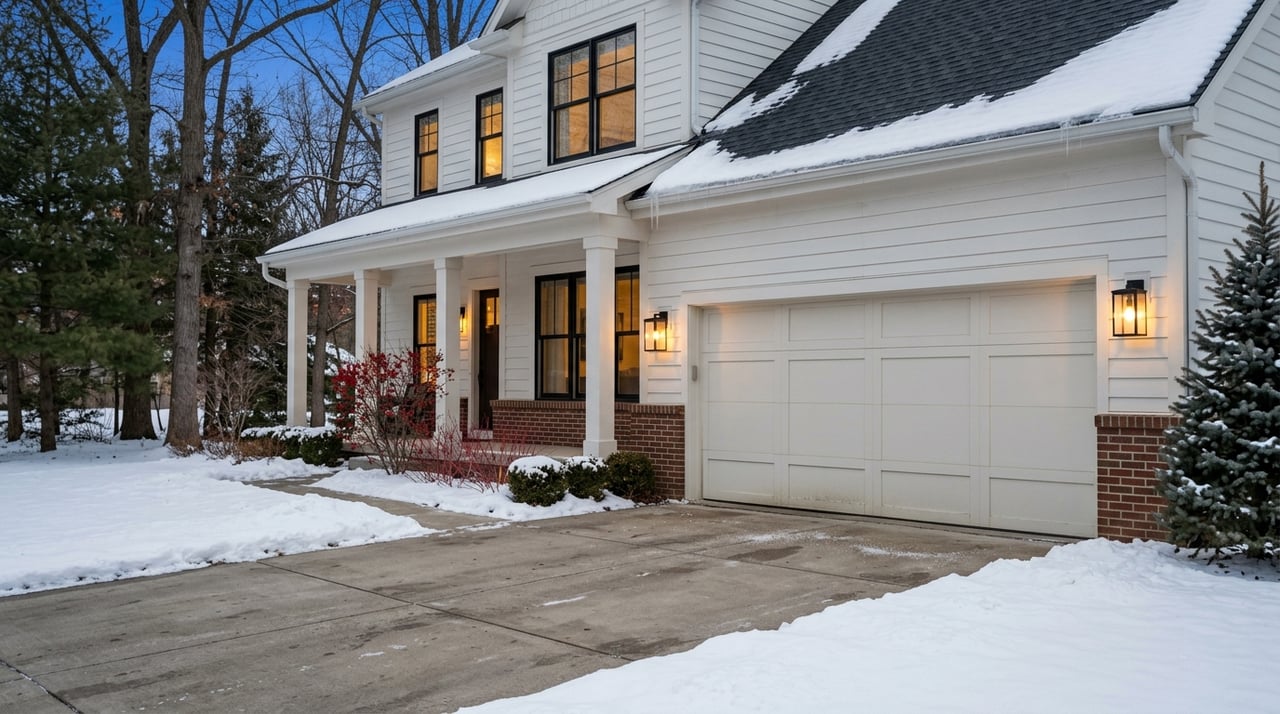
If a home has an attached garage, the garage wall and entry points to the main living space deserve extra attention. The DOE also recommends a carbon-monoxide monitor when a home has fuel-burning appliances or an attached garage. That is a small step that supports safer winter living.
Basements matter, too. The DOE notes in its guidance on duct energy loss that basement conditions can be tricky, especially when both ducts and basement walls are uninsulated. In practical terms, lower-level family rooms, storage areas, crawlspaces, and mechanical rooms can all affect comfort upstairs.
Watch for Duct Leaks
Ductwork is easy to overlook, but it plays a big role in winter efficiency. The DOE notes that ducts leaking into unheated spaces can add hundreds of dollars each year to heating and cooling costs. If parts of a home feel colder than others, leaky ducts may be part of the problem.
This is one of those behind-the-scenes issues that matters when you are evaluating a home. A property with decent insulation but poor duct performance may still feel drafty or uneven in winter.
Consider Lot Exposure and Wind
Not every lot feels the same in winter. The DOE explains that properly placed windbreaks can reduce heating costs, with evergreen plantings on the north and northwest sides helping block cold winds.
That matters in and around Kouts, where some homes sit on more open or wind-exposed lots. If a property has little natural wind protection, winter conditions may feel harsher around entry doors, patios, garages, and driveways. Buyers should pay attention to that during showings, and sellers can benefit from presenting outdoor spaces as well-maintained and functional in every season.
What to Know About Winter Utility Costs
Energy bills vary by home size, insulation levels, system efficiency, and personal habits. Still, regional benchmarks can help you frame what winter ownership may feel like. The Indiana Utility Regulatory Commission’s 2026 residential natural gas survey lists NIPSCO at $155.08 for a 150-therm residential bill, compared with an industry average of $173.05.
The same source also lists NIPSCO at $233.62 for a 1,000 kWh residential electric bill in its 2025 electric survey, compared with an investor-owned utility average of $187.00. These are best used as broad regional reference points, not exact predictions for any specific Kouts home.
For buyers, this is a good reminder to look beyond list price alone. A home’s age, insulation, duct condition, and exposure to wind can all affect your monthly cost of living.
Snow Removal and Road Conditions
Winter in Kouts also means knowing who handles the roads around you. According to Porter County’s road maintenance guide, the Town of Kouts maintains town streets, Porter County handles roads in unincorporated areas, and INDOT maintains state roads and U.S. highways.
That distinction matters because plowing priorities can differ depending on where the property sits. On county-maintained roads, Porter County says its highway department plows and salts more than 815 miles of roads in unincorporated areas. During one-time events, it clears main thoroughfares and emergency routes first, then side roads and subdivisions, and during multi-day storms, subdivisions may receive only single passes until the storm ends, according to the county’s snow plowing and salting page.
Homeowners also have a role to play. Porter County notes that residents are responsible for clearing the end of the driveway and the mailbox area, and cul-de-sacs are handled by smaller trucks. If you are buying outside the town core, this is a practical detail worth understanding before winter arrives.
Check Road Updates Before You Go
For county-maintained roads, Porter County provides winter road condition updates and may refresh them every two to three hours during active snow or ice events. Those updates do not apply to town streets or state highways, so it helps to know which system affects your route.
For broader travel, INDOT winter driving guidance recommends slowing down, clearing snow from windows and lights, checking tires and wipers, allowing extra time, and carrying a basic winter survival kit. Those basics go a long way during a Northwest Indiana winter.
Community Life in Kouts During Winter
Winter changes routines, but it does not shut down community life. In Kouts, the cold-weather pace tends to feel local, practical, and connected to everyday spaces rather than large entertainment hubs. That can be part of the appeal if you want a small-town setting with a grounded rhythm.
The Town of Kouts parks and recreation page highlights places in and around town such as Dunn's Bridge County Park, the Kankakee River Water Trail, Drazer Park, and Pennsy Park. In winter, these spaces can still support short walks or low-key outdoor time when weather and footing are safe.
Drazer Park and Pennsy Park also reflect the town’s more neighborhood-based feel. They are community spaces built around simple daily use, which fits the way many residents experience winter here: shorter outings, bundled-up fresh air, and a home base that matters even more when temperatures drop.
What Buyers Should Look For in Winter
If you are shopping for a home in Kouts during the colder months, winter can actually help you spot things that might be less obvious in spring or summer. You may notice drafts near doors, uneven room temperatures, snow buildup patterns, and how easy it is to navigate the driveway and walkways.
Pay close attention to:
- Furnace age and filter condition
- Signs of attic or garage air leaks
- Basement comfort and moisture concerns
- Window drafts and door seals
- Driveway layout and snow storage space
- Mailbox and road access during storms
- Wind exposure on open lots
Winter showings can reveal how a home performs in real life. That information can help you make a more confident decision.
What Sellers Can Do Before Listing
If you plan to sell during winter or early spring, small maintenance steps can strengthen your presentation. Buyers respond well to homes that feel warm, bright, and well cared for, especially when the weather outside is harsh.
A few smart pre-listing moves include changing the furnace filter, sealing obvious drafts, clearing walkways, checking exterior lighting, and making sure entry areas feel safe and inviting. If your home has strong winter features, such as an attached garage, solid insulation upgrades, or a more sheltered lot, those details may be worth highlighting in your marketing.
This is also where practical home knowledge matters. When you understand how your home performs in winter, you can present it more clearly and answer buyer questions with confidence.
If you are considering a move in Kouts or anywhere in Northwest Indiana, working with a local agent who understands both home condition and neighborhood context can make the process much easier. When you are ready to talk through your next step, connect with Anna Steuer for personalized guidance on buying, selling, or preparing your home for the market.
FAQs
What is winter weather usually like in Kouts, Indiana?
- Winter in Kouts typically brings cold temperatures and regular snowfall, with NOAA normals showing average highs in the 30s, lows in the teens to low 20s, and about 40 inches of annual snowfall.
What winter home maintenance matters most in Kouts?
- The most important winter tasks include sealing air leaks, weatherstripping doors, checking attic and garage insulation, replacing furnace filters, insulating pipes, and looking for leaky ducts.
What should homebuyers watch for during winter showings in Kouts?
- Buyers should look for drafts, uneven heating, basement comfort issues, driveway access, snow management space, and how exposed the lot is to wind.
Who plows roads in and around Kouts during snowstorms?
- The Town of Kouts handles town streets, Porter County maintains roads in unincorporated areas, and INDOT is responsible for state roads and U.S. highways.
Are there things to do outdoors in Kouts during winter?
- Yes. When weather and footing are safe, local parks and nearby nature areas like Dunn's Bridge County Park, Drazer Park, and Pennsy Park can offer simple outdoor time such as short walks and fresh-air breaks.