You plug your address into a few websites and get three different values. Which number should you trust when you sell in Kouts or elsewhere in Porter County? If you own acreage, have a pole barn, or live near rail or industrial corridors by Gary, you already know your home is not “average.” In this guide, you’ll learn why a local Comparative Market Analysis captures what online estimates miss, what a solid CMA for Kouts includes, and how a quick walkthrough can shift your price by thousands. Let’s dive in.
CMA vs online estimates: what changes in Kouts
Online automated valuation models are useful for a fast ballpark. They pull from public records and broad market trends to give you a general anchor. For routine suburban homes in large subdivisions, they can be close. In mixed rural and urban-adjacent areas like Kouts, south Porter County, and parts of Gary, they often miss key value drivers.
Here is what a local CMA captures that online estimates usually miss:
- Acreage and lot utility. A CMA looks at usable vs unusable land, wetlands, and topography. Online models often treat all acres the same.
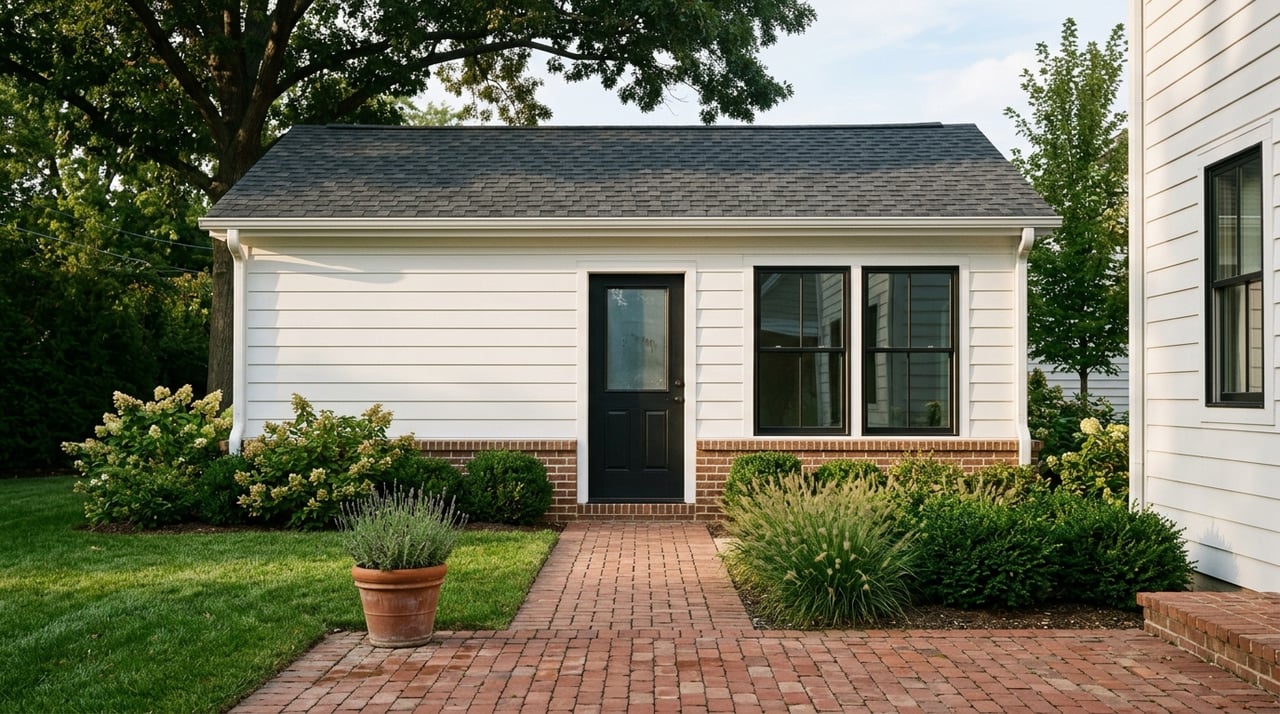
- Outbuildings and specialty spaces. Barns, insulated workshops with power, large garages, and finished basements can shift price meaningfully. Many models do not classify them correctly.
- Micro-location. Proximity to county roads, rail lines, or industrial sites, plus localized school boundary effects and commute patterns, can add or subtract value that algorithms smooth over.
- Condition and updates. Recent renovations, mechanical ages, and deferred maintenance rarely show up in public data without permits.
- Utilities and access. Septic versus sewer, well capacity, internet options, and private road maintenance matter to buyers and appraisers.
- Small-sample markets. If only a handful of similar acreage homes sold nearby, statistical confidence is low and a human review matters more.
Put simply, a CMA done by a local pro considers the features, context, and buyer pool that define value in Kouts and across Porter County.
How online estimates work at a glance
Online estimates typically combine public records, past sales, and listing feeds to predict a value range for your property. They are fast and free, which makes them great for a rough benchmark. The tradeoff is that they rely on general rules. If your property is unique, recently improved, or in a location with unusual external factors, a local CMA is the safer guide for pricing decisions.
What a Kouts CMA includes
A strong CMA for Kouts, Gary-adjacent areas, and wider Porter County should cover the factors below.
Parcel and acreage
- Total lot size, usable acreage, and any wetlands or steep slopes. You can confirm environmental context using the IndianaMap.
- Lot shape, road frontage, and any easements or right-of-way concerns.
- Fences, paddocks, pasture, or cultivated areas and their condition.
Structures and improvements
- Outbuildings like barns, pole buildings, detached garages, and whether they are insulated, powered, or finished.
- Any accessory dwelling space and whether it is permitted for living use.
- Basement type and finish level, attic insulation, and energy upgrades.
Utilities and access
- Public sewer and water versus septic and well, with known ages and maintenance.
- Internet options, since broadband availability can affect demand. You can spot-check service on the FCC National Broadband Map.
- Road type and who handles snow removal and maintenance.
Micro-location and externalities
- Distance to rail lines, busy county roads, commercial nodes, and industrial corridors.
- Neutral boundary context such as school attendance areas and typical commute routes.
- Environmental risk checks, including flood zones via the FEMA Flood Map Service Center and potential wetlands on the IndianaMap.
Market timing and liquidity
- Recent days on market, inventory levels, and list-to-sale price ratios for similar homes.
- Active and pending competition that buyers will see alongside your home.
Regulatory and title
- Zoning and land-use constraints, conservation easements, and permit history for additions or major systems.
Buyer pool and intended use
- Who is most likely to buy your home and why. For example, acreage with a powered pole barn will attract hobby-farm, contractor, or car-enthusiast buyers, which changes comp selection and marketing.
A practical CMA template you can expect
Below is a simple structure for a clear, defensible CMA in Kouts and nearby Porter County communities.
Summary conclusion
- Suggested pricing range: low, likely, and high.
- Primary rationale: best comps, market conditions, and any unique features.
Section A: Subject property data checklist
- Parcel ID and legal description.
- Lot size and usable acreage, with any wetlands or topography notes.
- Square footage source, bed/bath count, year built.
- Ages of roof, HVAC, water heater, and other major systems.
- Foundation and basement type, finished areas, garage and outbuildings.
- Overall condition, recent renovations, and visible deferred maintenance.
- Utilities, road access, and internet options.
- Encumbrances, easements, covenants, and current occupancy.
Section B: Local market snapshot
- Three to nine months of similar solds, plus actives and pendings.
- Inventory, average days on market, and list-to-sale price ratios.
Section C: Comparable selection criteria
- Sold within a reasonable distance and timeframe, adjusted for rural density.
- Similar lot class and acreage band, similar living area when possible.
- Use secondary comps like actives, pendings, and expired listings to show price pressure.
Section D: Adjustment grid
- Adjust for micro-location, usable acreage, bed/bath count, square footage, outbuildings and garage capacity, condition, basement finish, utility differences, age, and permitted additions.
- Start with raw price per square foot from the best comps, then apply dollar adjustments where supported. Explain each adjustment direction briefly so it is easy to follow.
Section E: Reconciliation and price strategy
- Weight the most similar comps more heavily.
- Cross-check against active competition and current trend to set a list range.
- Outline likely outcomes for pricing slightly aggressive versus conservative.
Section F: Sources and appendices
- Attach county records, permit printouts, photos, and any floodplain or wetlands maps used for the analysis. FEMA flood maps can be pulled from the FEMA Flood Map Service Center.
Why a pre-list walkthrough can change your price
A short on-site visit often surfaces facts that are not in the records and can move your price range.
- Undocumented square footage. Finished attic space, enclosed porches, or walkout basements are easy to miss on paper.
- Outbuilding quality and utility. A heated, insulated workshop with power and concrete flooring values differently than a simple storage shed.
- Condition and maintenance. Roof wear, moisture issues, foundation cracks, or aging systems can mean buyer repair requests or price concessions.
- Permit and zoning reality. Unpermitted additions can limit buyer financing or complicate value.
- Land usability. Drainage patterns, fencing, driveway condition, and erosion affect how buyers view acreage.
- Environmental context. Flood zones or nearby wetlands can influence insurance and usage. Verify with the FEMA Flood Map Service Center and the IndianaMap.
- Connectivity. Buyers often ask about broadband options, which you can quickly check on the FCC National Broadband Map.
During the walkthrough, a good CMA process gathers photos, measurements, visible system ages, permit documents, and any disclosures. Those details make your valuation more accurate and easier to defend during negotiations.
A quick example: closing the gap
Imagine two Kouts-area homes with similar square footage. One sits on 4 acres with a powered pole barn and a finished walkout basement. The other sits on a standard lot with a basic two-car garage and an unfinished basement. Online estimates may pull both toward the same average price because they lean on square footage and past area sales.
A local CMA separates usable acreage from raw acreage, values the powered outbuilding based on quality and utility, adjusts for the finished basement, and compares micro-location. Then it reconciles the adjusted comps against current actives so the final list range reflects real buyer choices. The result is a price strategy that matches how buyers actually shop in Porter County.
When to use online estimates vs a local CMA
Use online estimates when you want:
- A fast, rough check on your home’s general value trend.
- A starting point for conversations about timing or equity.
Ask for a local CMA when you need:
- Pricing to list or negotiate a sale.
- Valuation for acreage, outbuildings, or unique layouts.
- Insight into floodplain, wetlands, utilities, or road access impacts.
- A read on market timing, competition, and likely days on market.
Next steps: get your local pricing plan
If you are thinking about selling in Kouts or anywhere in Porter County, pair your online estimate with a local CMA and a short on-site walkthrough. You will get a clear price range, a market-position plan, and a list of small tweaks that can improve results. Most homeowners receive a written CMA within 48 to 72 hours, with walkthroughs scheduled the same week.
Ready to see your true selling range? Schedule a friendly, no-pressure consultation with Anna Steuer to request your local CMA and walkthrough.
FAQs
In Kouts, how accurate are online home estimates?
- They are useful for quick benchmarks, but accuracy drops for acreage, outbuildings, unique layouts, or locations near rail or industrial corridors. A local CMA reduces that error by using recent, relevant comps and a property walkthrough.
What does a CMA for Porter County acreage include?
- It separates usable acreage from raw total, values outbuildings by quality and utility, checks septic and well details, and accounts for micro-location and market timing. It also verifies flood and wetlands context using official maps.
Do pole barns and workshops add value in Northwest Indiana?
- Yes, when they are well built and functional. A CMA adjusts based on construction quality, utilities, and permitted use, rather than treating all outbuildings the same.
How do flood zones affect pricing and insurance in Porter County?
- Flood zones can influence buyer demand and insurance needs. You can verify your parcel’s status on the FEMA Flood Map Service Center and discuss impacts and options with your agent.
What should I prepare for a CMA walkthrough?
- Have a features list, ages of roof, HVAC, and water heater, any permits, and notes on outbuildings. Clear access to basements, attics, and mechanicals helps your analyst document condition accurately.
How long does it take to receive a CMA after I reach out?
- Most homeowners receive a written CMA within 48 to 72 hours, with scheduling for an on-site walkthrough the same week, depending on availability and property complexity.