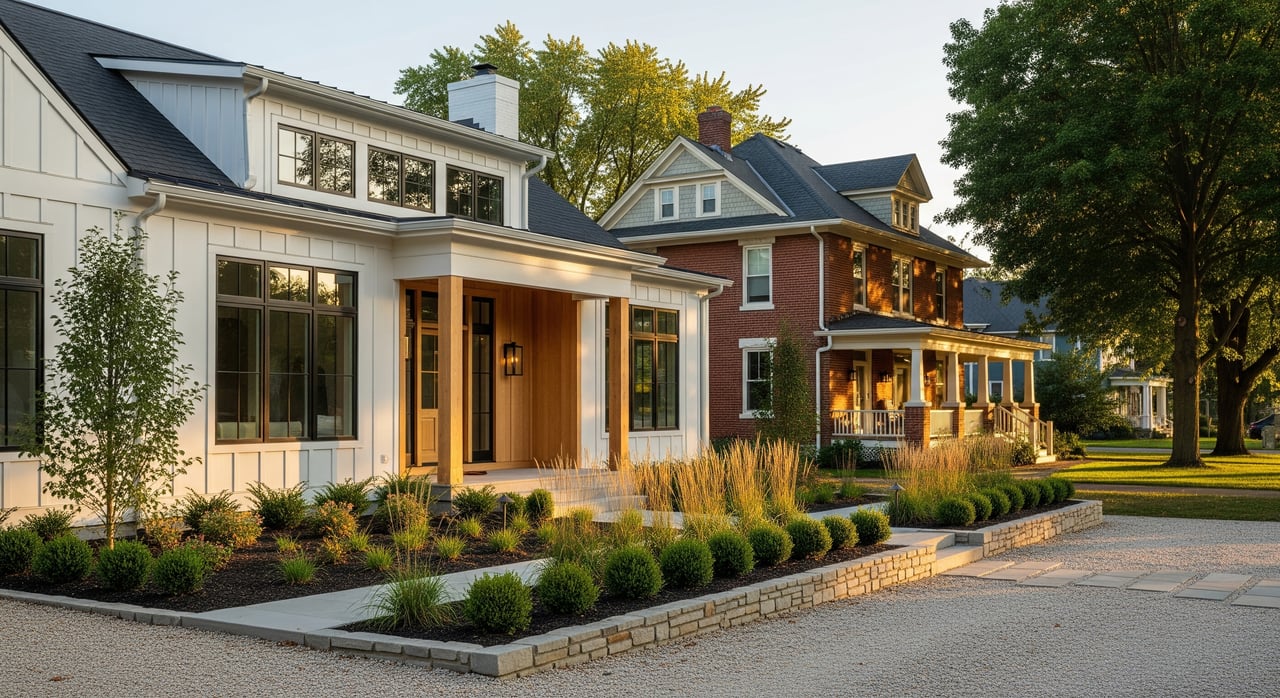
Thinking about a brand‑new build or an existing home in Kouts or nearby Porter County communities, and wondering which fits you best? You are not alone. Northwest Indiana offers both new subdivision opportunities and solid resale options, plus older homes in Gary that can shine with the right updates. In this guide, you will learn how both paths stack up on cost, timeline, warranties, energy efficiency, and resale so you can move forward with confidence. Let’s dive in.
What’s different in Kouts, Gary, and Porter County
Kouts sits in Porter County and offers a mix of rural parcels and newer subdivisions near county growth corridors. That means you may find more lots and new-build opportunities here compared to denser, established areas.
Gary’s housing stock is generally older and more urban, with many homes built before 1978. These can be excellent value plays for buyers ready to renovate, but they often require updates and sometimes lead-safe work.
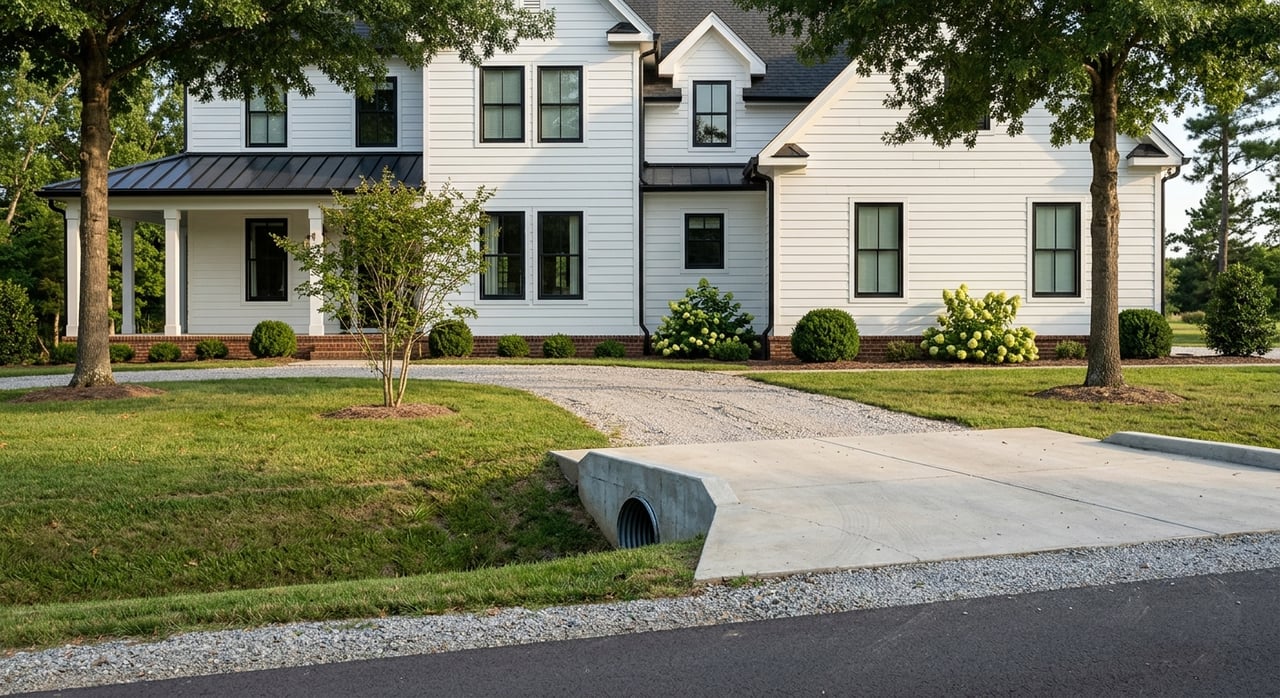
Across Porter County, you will see growing neighborhoods and new subdivision development around corridors near Valparaiso and Chesterton. If you want move-in ready with modern systems, you can often find it in newer Porter County communities or by building on a suitable lot in or around Kouts.
Permits and inspections vary locally
Permitting happens at the municipal or county level. In Kouts and unincorporated Porter County, confirm requirements with the local building department. In Gary, older-home renovations often trigger electrical, plumbing, and structural updates, and can involve lead or asbestos safety protocols. Always check with the correct office before planning a project.
Financing patterns you will see
New construction buyers commonly use construction-to-permanent loans. Renovation projects may lean on FHA 203(k), Fannie Mae HomeStyle, or cash for smaller scopes. Local lenders are familiar with these, but construction draws, inspections, and documentation usually add time compared to a standard resale loan.
Cost comparison: new build vs existing
Existing homes: what you typically pay
With a resale, you pay the negotiated purchase price plus closing costs, which often run around 2 to 5 percent for buyers. Your price is anchored to comparable recent sales in the area. If you plan upgrades, budget separately for any renovations.
New construction: the full picture
A new build adds up to land cost plus construction, site preparation, permits, utility hookups, impact or tap fees, and soft costs like design and financing. Builders vary on whether the lot is included or separate. In the Midwest, a broad rule of thumb for standard to mid-upscale new builds is about $120 to $220 or more per finished square foot, with higher costs for custom features or complex sites. Local builder bids are essential because labor, materials, and lot conditions can shift totals quickly.
Add-ons buyers often forget
Common extras that stretch budgets include:
- Finished basements or bonus rooms
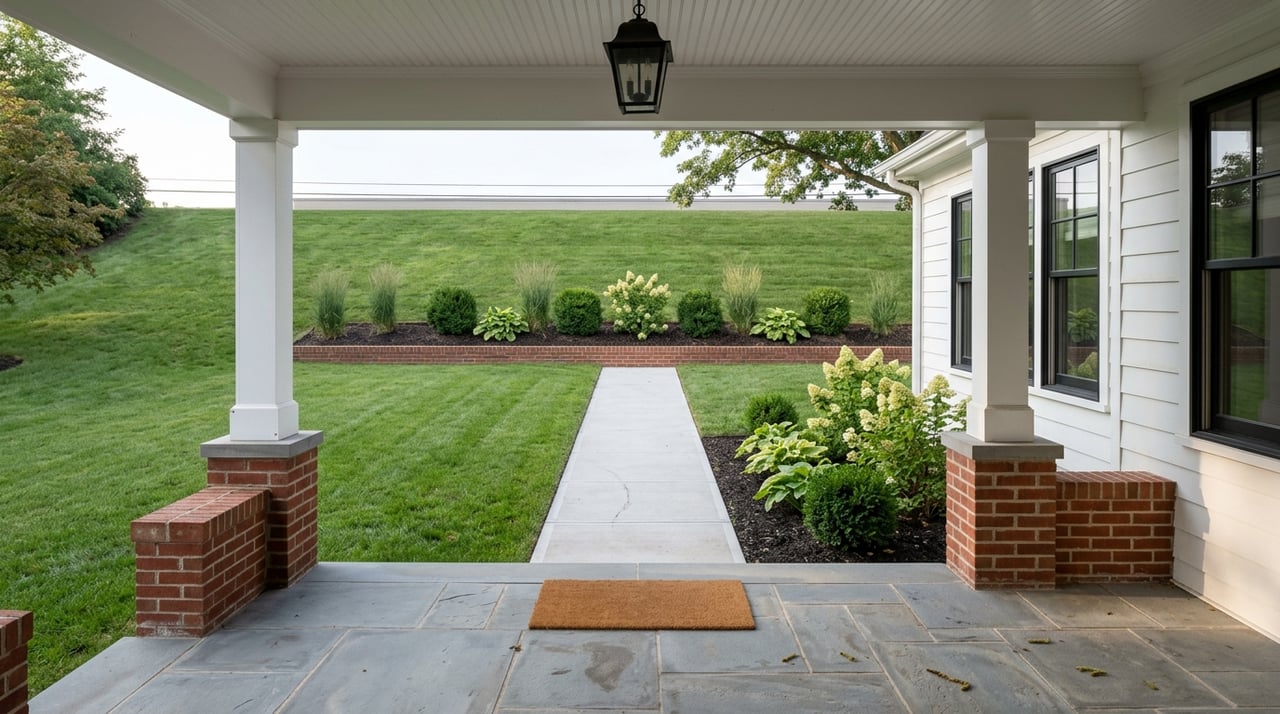
- Driveway paving, patios or decks, and landscaping
- Window treatments, appliance upgrades, and garage enhancements
- Fences, sprinklers, and upgraded trim or stonework
- Water and sewer tap-in fees in newer subdivisions
Renovating an older home: useful ranges
If you buy an existing home and plan to update, costs vary widely by scope. A kitchen refresh could be closer to the low tens of thousands, while full-gut projects and whole-house updates can run well into six figures. In homes built before 1978, lead-safe practices can add cost and time. If you are considering heavy renovation, assume a larger contingency and expect more unknowns until demolition reveals what is behind the walls.
Carrying costs and opportunity cost
Resales typically close faster, which reduces carrying costs. New builds may require interest on draws during construction, plus lot taxes, insurance, and deposits. On the seller side, weigh the cost of pre-listing improvements against the likely price lift; smart updates can help your home compete with newer inventory.
Timeline and process: how long each path takes
Buying an existing home
Once your offer is accepted, most resales close in about 30 to 60 days, depending on inspections and your loan’s underwriting. Cash or pre-inspection strategies can shorten that timeline.
Building a new home
From a site-ready lot with permits in hand, tract or semi-custom builds commonly take about 6 to 9 months to move-in. Custom homes or sites with complications can run 9 to 12 months or longer. Permitting, weather, material lead times, and subcontractor availability all influence the schedule.
Key steps that add time include lot closing and site prep, plan approvals, staged inspections, material procurement, and final punch-list work before the certificate of occupancy.
Renovating an existing home
Smaller projects, like a kitchen remodel, can take 6 to 12 weeks. A full-house renovation is often several months, especially if systems and structure are involved.
Keep your schedule on track
- Get pre-approved for the right loan type early.
- Build in contingency time of 10 to 20 percent beyond the schedule you are given.
- For sellers, pre-inspections and targeted repairs can remove surprises and shorten days to close.
Warranties, energy efficiency, and maintenance
What builder warranties usually cover
Many builders offer a 1-year limited warranty on workmanship and materials, 2-year coverage on major systems like electrical, plumbing, and HVAC, and a 10-year structural warranty for load-bearing components. Always review the written warranty for coverage limits, reporting deadlines, exclusions, and whether it transfers to a new owner.
Why new homes tend to be more efficient
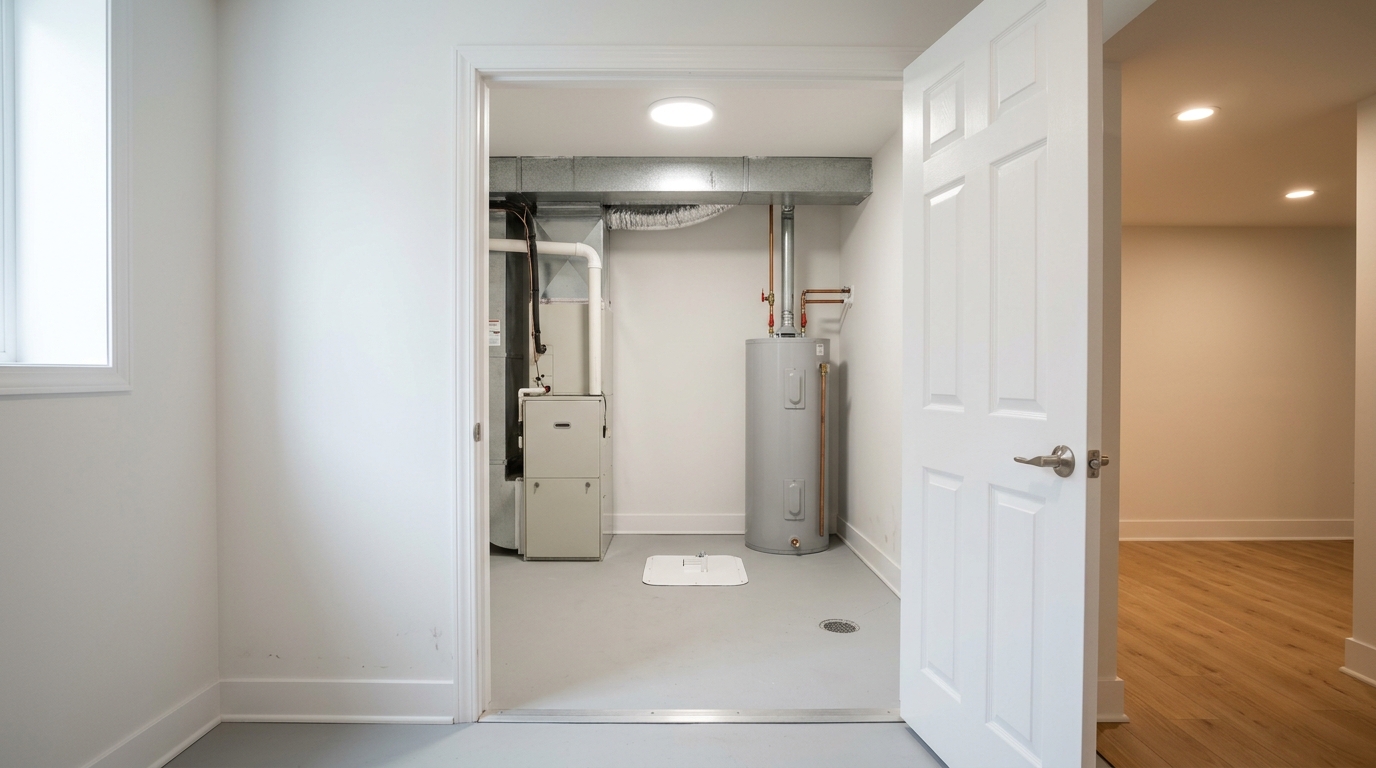
New homes are built to modern energy codes with tighter envelopes, better insulation, efficient windows, and newer HVAC. Programs like ENERGY STAR Certified New Homes and the U.S. Department of Energy’s Energy Saver resources outline the performance features that often translate into lower utility bills and more consistent comfort compared to older, un-updated homes. Existing homes can close much of the gap with targeted upgrades, but you need to budget for those improvements.
Health and safety in older homes
For pre-1978 homes, lead-safe work rules apply for renovation, repair, and painting. If you plan to update an older house in Gary or nearby communities, understand contractor requirements under the EPA’s Renovation, Repair and Painting Rule. Older homes can also have issues like asbestos, outdated electrical panels, or aging plumbing that require specialist evaluation and remediation.
Maintenance and lifecycle costs
New builds generally have lower near-term maintenance because most systems are new and under warranty. You may still have early costs for landscaping establishment or final grading. Existing homes might need near-term capital items like a roof, HVAC replacement, or panel upgrades. Factor these into your total cost of ownership, not just your purchase price.
Resale and neighborhood fit
What drives resale value here
Resale value follows local fundamentals: location, lot characteristics, comparable recent sales, overall condition, and inventory levels for similar homes. New construction can command a premium in desirable areas with limited new supply. That said, the market rewards homes that align with what buyers want right now, not just what they cost to build.
Examples to consider
- A new-build in a growing Kouts-area subdivision may appeal to buyers prioritizing modern systems, energy efficiency, and low maintenance.
- An updated bungalow in an established Gary neighborhood may offer strong value if renovations are done well and the home compares favorably to recent sales.
Highly customized features can be perfect for your lifestyle but might narrow your future buyer pool. Spec homes from reputable builders often show broader appeal at resale because finishes and layouts are chosen for market demand.
Decision checklist: new build or existing home
Use this quick checklist to clarify your best path:
Personal priorities
- Do you need to move within 30 to 60 days? Favor an existing home or a finished spec home.
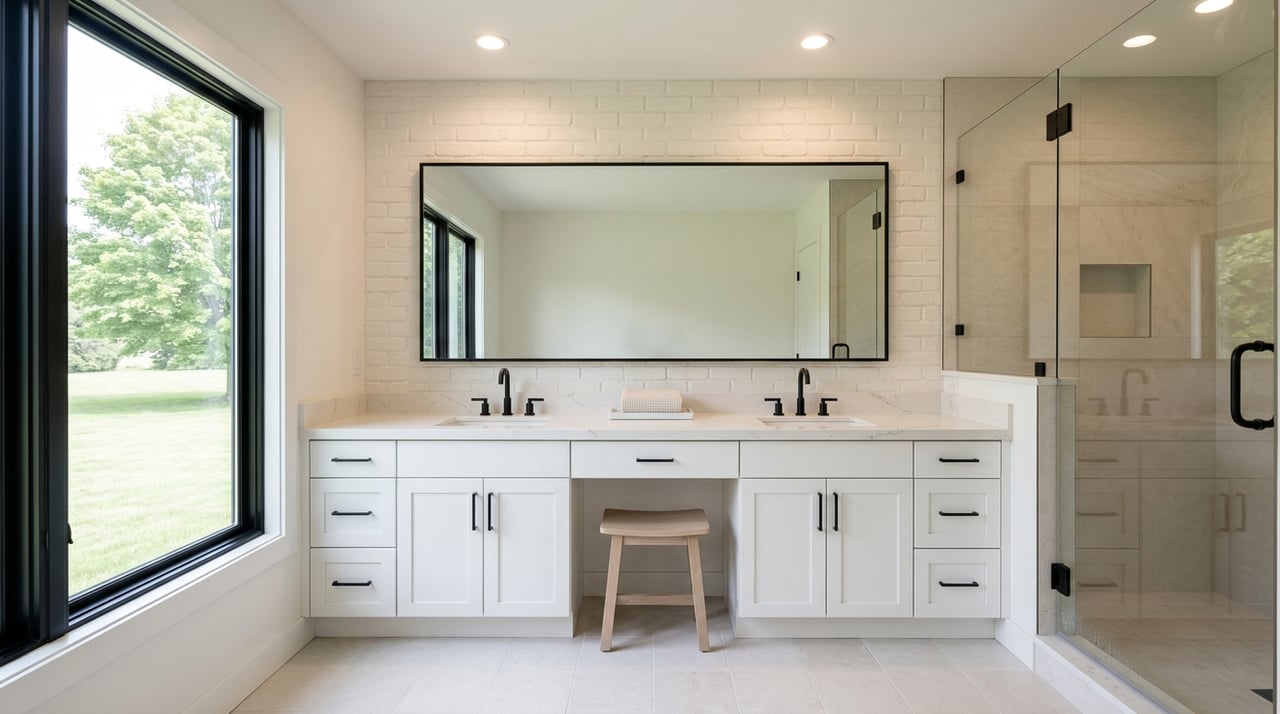
- Do you want high customization and modern systems? Consider a new build or a major remodel.
- What is your tolerance for cost surprises and schedule slips? Lower tolerance favors resale; higher tolerance can fit new builds or rehabs with healthy contingencies.
Financial planning
- Get pre-approved for the right loan type: conventional, construction-to-permanent, or a renovation loan.
- Add up hard costs, soft costs, and a 10 to 20 percent contingency.
- Compare monthly carrying costs during construction against an immediate mortgage on a resale.
Inspection and contract essentials
- For existing homes: order a full home inspection and specialty checks like septic, sewer scope, roof, or HVAC as needed; negotiate credits or repairs in writing.
- For new builds: request a line-item specification, builder references, warranty terms in writing, and a clear change-order process and timeline.
Neighborhood and resale
- Review recent comparable sales in the immediate area.
- Consider lot orientation, potential HOA rules, flood risk, and planned nearby development.
Which path fits you in Kouts and nearby areas
Choose a new build if you want:
- Modern energy performance and new-home warranties
- Custom floor plans and finishes
- Predictable quality with fewer near-term repairs
Choose an existing home if you want:
- Faster move-in and a simpler loan process
- Established lots, trees, and neighborhood character
- A lower purchase price or the chance to build equity through targeted renovations
If you are open to either path, look at new subdivisions around Kouts and Porter County while also touring updated resales and well-located fixer opportunities in Gary. Compare real numbers side by side, including the cost of tap fees, landscaping, window treatments, and any immediate system upgrades so there are no surprises.
How Anna helps you decide with confidence
You get more than a tour schedule. With a decade-plus in building and remodeling, Anna can:
- Create a comparative cost worksheet for a specific lot or home, including likely soft costs and a realistic contingency.
- Introduce reputable local builders and contractors and review specs line by line.
- Flag high-impact, budget-smart improvements if you buy an existing home.
- Map your timeline to your life events so you are not scrambling as closing or construction milestones approach.
Ready to compare your options for Kouts, Gary, or anywhere in Porter County? Schedule a friendly, no-pressure consult with Anna Steuer to map your best path and budget.
FAQs
How long does a new build take in Porter County?
- From a site-ready lot with permits in hand, many tract or semi-custom builds take about 6 to 9 months, while custom homes often run 9 to 12 months or more.
What are typical costs per square foot for new homes nearby?
- A broad Midwest baseline is about $120 to $220 or more per finished square foot for standard to mid-upscale builds, with higher costs for custom features or complex sites.
How fast can I close on an existing home in Kouts or Gary?
- Many resales close in about 30 to 60 days after offer acceptance, depending on inspections and loan underwriting.
Are older Gary homes safe to renovate?
- Many are excellent candidates, but pre-1978 homes may involve lead-safe work under the EPA’s RRP Rule, which adds steps, cost, and contractor requirements.
Do new homes come with warranties in Indiana?
- Builder warranties commonly include 1 year for workmanship and materials, 2 years for systems, and 10 years for structural coverage, but terms vary, so review the written warranty carefully.
Will a new home be more energy efficient?
- New builds follow modern energy codes and often feature tighter envelopes, better insulation, efficient windows, and newer HVAC; programs like ENERGY STAR Certified New Homes help verify performance.