Buying a home in Kouts is exciting, but the inspection can feel like the moment where everything gets very real. You want to know what the inspector will look at, what the report actually means, and whether any issues should change your next steps. This guide walks you through what to expect from a Kouts home inspection so you can move forward with more confidence. Let’s dive in.
Why a home inspection matters in Kouts
A home inspection gives you a clearer picture of a property’s condition before closing. In a small town like Kouts, where the housing stock can include both older homes and newer builds, that clarity can help you separate routine maintenance from bigger concerns.
Kouts is a small Porter County community with about 2,028 residents and 961 housing units. Because the market is relatively local and home-specific, the inspection process tends to focus less on broad trends and more on the condition of the individual property you are buying.
Regional weather also makes certain systems especially important to watch. In northwest Indiana, freeze and frost cycles, along with winter weather patterns, can make roof drainage, grading, basement moisture, and exterior sealing details worth a close look.
When to schedule the inspection
If you are under contract, it is smart to schedule the inspection as soon as possible. That gives you time to review the findings, request any follow-up inspections, and decide how to handle repairs or negotiations before your deadlines arrive.
A typical inspection visit usually lasts about two to four hours, depending on the size and condition of the home. Many buyers find it helpful to attend so they can hear the inspector’s comments in real time and ask practical questions as they come up.
What Indiana requires from home inspectors
In Indiana, home inspectors are licensed through the Professional Licensing Agency. They must pass the National Home Inspector Examination and carry at least $100,000 in general liability coverage.
The written report must include basic identifying information such as the inspector’s name, license number, the property address, the client, and the inspection date. It also must explain significant deficiencies or items that are near the end of their service life, along with recommendations for correction or monitoring.
What a Kouts home inspection usually covers
Indiana’s minimum inspection standards cover the major systems and components of the home. That includes the structure, exterior, roof, plumbing, electrical, heating, cooling, interiors, insulation and ventilation, and fireplaces or solid-fuel appliances.
In practical terms, your inspector will usually review areas such as:
- Foundation and framing
- Grading and drainage
- Roof coverings and flashing
- Chimneys, skylights, and roof penetrations
- Plumbing supply and drain lines
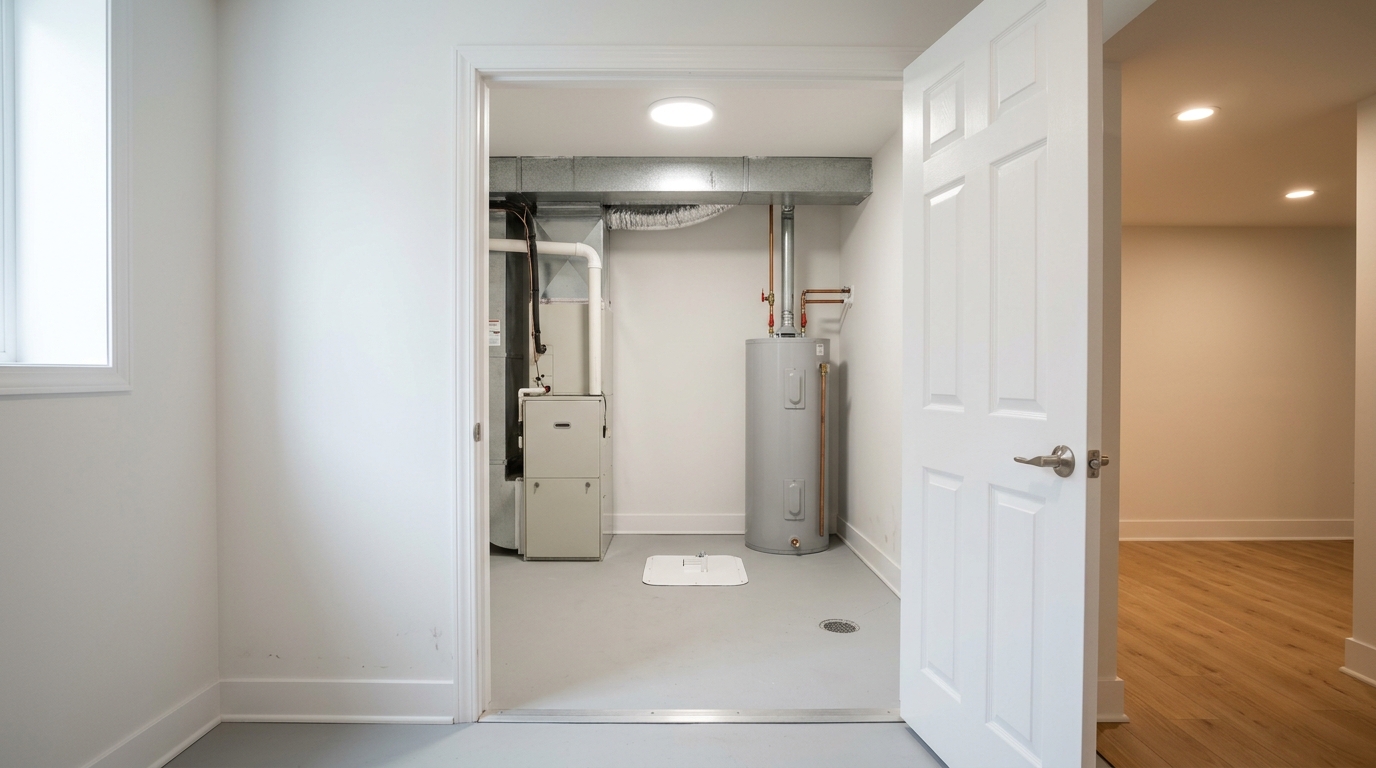
- Water heater
- Sump and sump pump
- Electrical panels and GFCI protection
- Heating and cooling equipment
- Walls, ceilings, floors, windows, and doors
- Stairs and railings
- Garage doors
- Attic and foundation ventilation
- Fireplaces and chimneys
This is the core inspection scope most buyers should expect. It is designed to identify material issues, visible defects, and systems that may need repair, replacement, or closer review.
Common issues buyers may see
Older homes in Kouts
If you are buying an older home, the report may highlight age-related wear. Common concerns can include foundation or crawlspace movement, roof wear, plumbing or electrical updates, basement moisture, and fireplace or chimney issues.
That does not always mean the deal is in trouble. It often means you need to understand which items are safety concerns, which are nearing the end of service life, and which are simply part of owning an older home.
Newer homes and new construction
A newer home can still have inspection findings. In many cases, the issues are less about age and more about completion details or water management.
Common examples include grading, downspout discharge, flashing, insulation, garage-door operation, GFCI protection, and smoke alarms. Even new construction benefits from a thorough inspection because small defects can turn into larger problems if they are missed early.
Kouts-specific items worth extra attention
While every property is different, a few items tend to matter in this part of northwest Indiana. Homes here can benefit from careful review of how water moves around the property and away from the home.
Pay close attention to:
- Roof drainage and gutter discharge
- Grading that slopes water away from the foundation
- Basement or crawlspace moisture signs
- Exterior caulking and sealants around doors, windows, and penetrations
- Sump pump operation where applicable
These are not guaranteed defects. They are simply areas that deserve extra attention because weather and seasonal freeze-thaw conditions can put stress on them over time.
What is not included in a standard inspection
One of the most important parts of the process is knowing the limits of the inspection. A standard Indiana home inspection is helpful, but it is not all-inclusive.
For example, Indiana home inspectors are not required to inspect private wells, well pumps, water-storage equipment, water quality, or private waste-disposal systems. If the property has a well or septic system, those should be treated as separate due diligence items.
For buyers in the Kouts area, that matters because some homes may rely on private systems. Porter County does not require water testing for new construction or change-of-ownership homes, but it does recommend testing, and common well tests often include E. coli, total coliform, nitrate or nitrite, and lead.
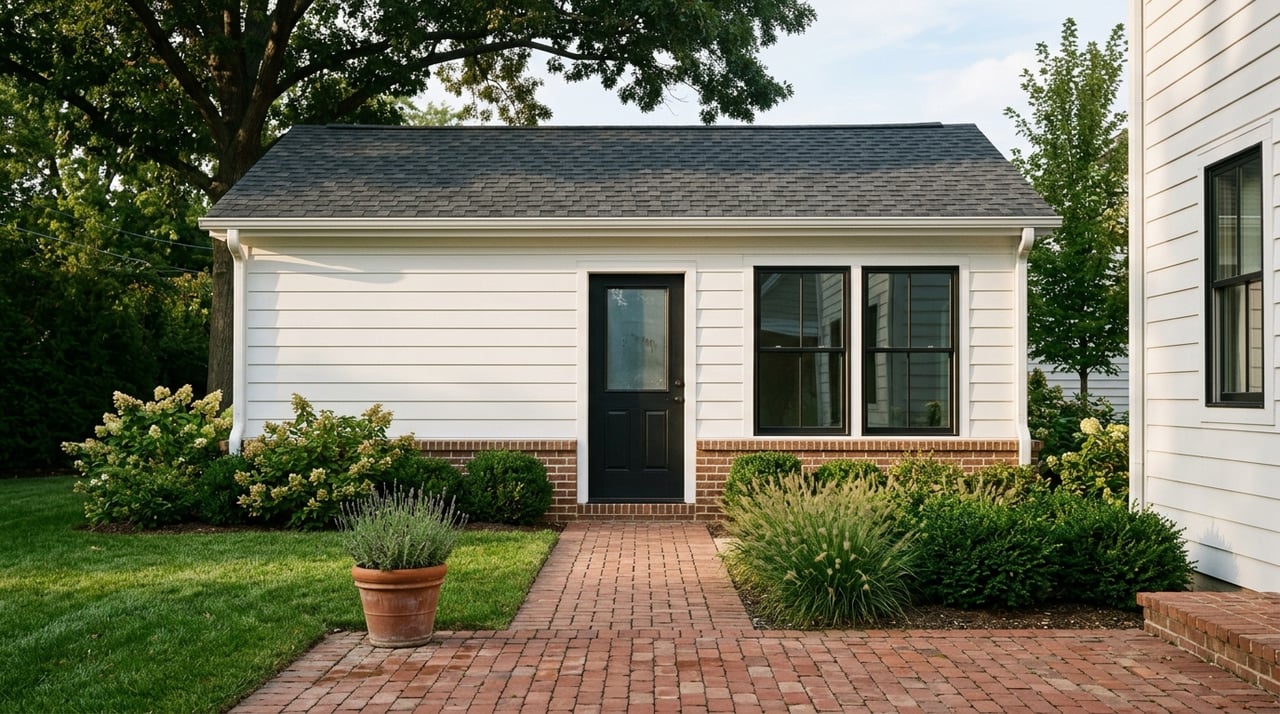
Indiana’s standards also exclude outbuildings and certain site features from the base inspection scope. Detached garages, sheds, fences, docks, seawalls, and similar structures may need separate review, especially on rural or semi-rural properties.
How to read the inspection report
The best way to read an inspection report is to sort findings into three groups. This helps you stay focused and avoid getting overwhelmed by a long list of notes.
1. Safety concerns
These are the items that may need prompt attention. Examples can include electrical hazards, major structural concerns, or missing safety devices such as smoke detectors or carbon monoxide detectors.
2. Big-ticket budget items
These may not be immediate emergencies, but they can affect your short-term costs. Think roof wear, HVAC systems near the end of service life, water intrusion, or major plumbing concerns.
3. Routine maintenance items
Most reports include a long list of smaller recommendations. These can include minor caulking, loose handrails, GFCI updates, or other maintenance tasks that are common in many homes.
It also helps to remember what the inspection is not. It is not a code-compliance certificate, it does not predict exact remaining lifespan, and it does not determine repair costs, market value, or whether the home is a good purchase for you.
What happens after the inspection
Once you have the report, you usually have a few possible paths depending on your contract terms. You may ask the seller to make repairs, request a credit, move forward as-is, or cancel the contract if your inspection contingency allows it.
If major issues come up, your lender’s timeline can also matter. Some loan programs may require certain repairs before closing or may allow a repair escrow after closing, so inspection findings can affect both your negotiation strategy and your closing schedule.
Even if a property is being sold as-is, the inspection still gives you useful information. It helps you decide whether the condition matches your comfort level, budget, and plans for the home.
What sellers should know before listing
If you are selling a home in Kouts, a pre-listing inspection can help reduce surprises. It gives you a chance to understand the home’s condition before a buyer does, which can make pricing, preparation, and negotiation easier.
This can be especially helpful when likely repairs may involve local permits. The Town of Kouts posts permit materials and identifies common project categories such as roofing, electrical work, windows, doors, siding, decks, fences, driveways, pools, and demolition.
If inspection findings lead to repair work, it is wise to confirm local permit requirements before work starts. Using properly licensed contractors and planning ahead can help avoid delays during a transaction.
How to prepare for a smoother inspection
Whether you are buying or selling, a little preparation goes a long way. A smoother inspection often means clearer answers and fewer last-minute surprises.
Here are a few smart steps:
- Schedule the inspection quickly after going under contract
- Attend the inspection if you can
- Bring questions about major systems, age, and maintenance
- Ask whether any findings need a specialist follow-up
- Review the report by priority, not by page count
- Confirm whether any repair work may require Kouts permits
- Plan separate well, septic, or water testing if the property uses private systems
Why local guidance helps
An inspection report is most useful when you have help putting it into context. A long report can look alarming at first, even when many items are manageable or expected for the age and style of the home.
That is where practical local experience matters. When you work with someone who understands homes, common repair patterns, and the rhythm of Northwest Indiana transactions, it becomes easier to focus on what truly matters and make a calm, informed decision.
If you are buying or selling in Kouts and want steady guidance through inspections, repairs, and next steps, Anna Steuer is here to help.
FAQs
What does a home inspection cover in Kouts, Indiana?
- A standard Indiana home inspection usually covers the structure, exterior, roof, plumbing, electrical, heating, cooling, interiors, insulation and ventilation, and fireplaces or solid-fuel appliances.
How long does a home inspection take for a Kouts home?
- Most home inspections take about two to four hours, depending on the home’s size, condition, and accessibility.
Should you attend a home inspection in Kouts?
- Yes, if possible. Attending can help you understand the inspector’s comments, see issues firsthand, and ask questions during the visit.
Does a Kouts home inspection include well and septic testing?
- Not usually. Indiana home inspectors are not required to inspect private wells, water quality, or private waste-disposal systems, so those often need separate testing or review.
Can inspection repairs in Kouts require permits?
- Yes. The Town of Kouts lists permit categories for work such as roofs, electrical, windows, doors, siding, decks, fences, driveways, pools, and demolition, so repair plans may require local permit confirmation.
Can you negotiate after a home inspection in Kouts?
- Yes, depending on your contract terms. You may request repairs, ask for a credit, move forward as-is, or cancel under an inspection contingency if the agreement allows it.